





By: Isaac Kwabena Boadu Date:31st May, 2026
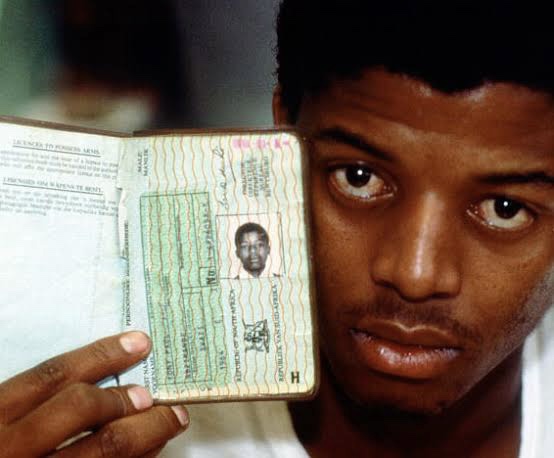
Long after the fall of apartheid, the memory of the dompas still haunts South Africa. Known officially as the Reference Book, this small booklet became the most feared document for Black South Africans. The name itself carried scorn, drawn from Afrikaans words meaning stupid and pass, a label that captured how the system was viewed by those forced to carry it.
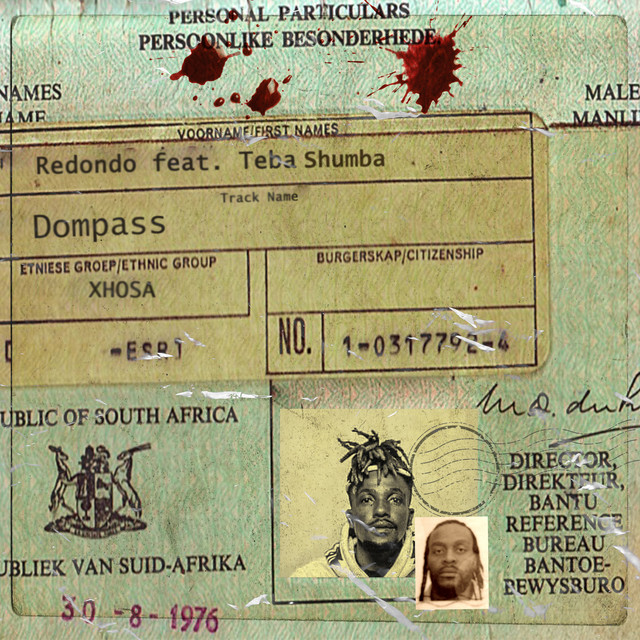
Under the Natives Act of 1952, every Black man and later every Black woman was required to keep the dompas on them at all times from the age of sixteen. It held a photograph, fingerprints, details of employers, tax payments, and what was called Section 10 rights. Those rights were the fragile permission to live and work in a city. Without that stamp, a person had no legal claim to be in an urban area at all. Police were empowered to stop anyone, anywhere, and demand to see the book. Failure to produce it, or having a missing page, meant arrest on the spot and removal to a rural homeland.
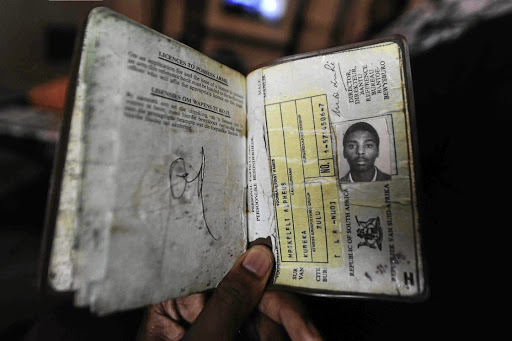
The dompas did more than record identity. It dictated where people could live, which schools and hospitals they could enter, which buses they could board, and even who they could marry. Employers had to stamp the book for every job, so losing work also meant losing the right to stay in the city. Men were separated from families for years, moving between homelands and mines or factories on short-term permits. When the government extended the requirement to women in the early nineteen sixties, entire families came under surveillance.
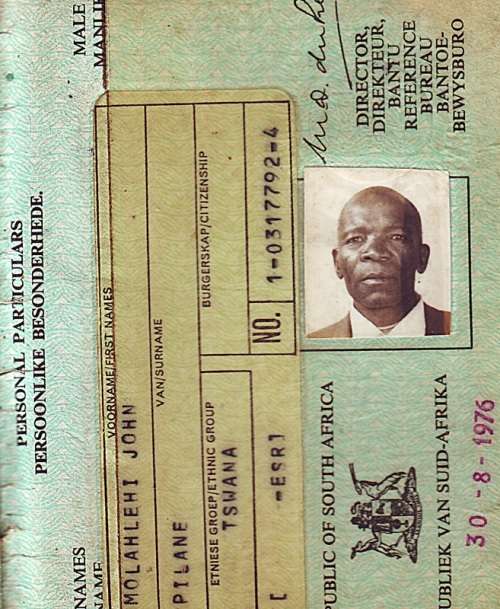
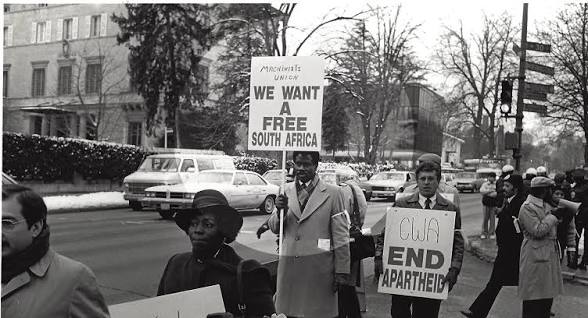
The scale of the system was staggering. Over several decades, millions of people were arrested for pass offences. Each stop by police meant humiliation, fingerprinting, and the constant fear that a document could erase a life built in the city. That daily pressure sparked resistance across the country. The cry to kill the pass grew louder in townships and cities, and it reached a breaking point in Sharpeville in March of 1960. There, police fired on a crowd protesting the burning of passes, killing dozens and drawing worldwide condemnation.
It took another quarter century before the pass laws were finally repealed in 1986. By then the dompas had already carved deep wounds into families and communities. Today the booklet survives mainly in museums and classrooms, displayed as evidence of how identity papers can be twisted into instruments of control. The lesson drawn from that history remains simple. When documents meant to protect people are instead used to police and confine them, freedom itself is reduced to the ink on a page.
AFRICAN VOICES INTERNATIONAL, FREEDOM IN AFRICA