



By: Isaac Kwabena Boadu Date: 6th June, 2026
When Nelson Mandela raised his fist on May 10th, 1994, the world saw it as the birth of a new South Africa. The cameras captured the inauguration, the flags, the tears. But the real revolution had already been running for four years. By the time Mandela became president, the African National Congress had already unbanned itself, negotiated the end of apartheid laws, and written the plan that would try to repair the damage. That plan was the Reconstruction and Development Programme, or RDP. And at the heart of it was land.
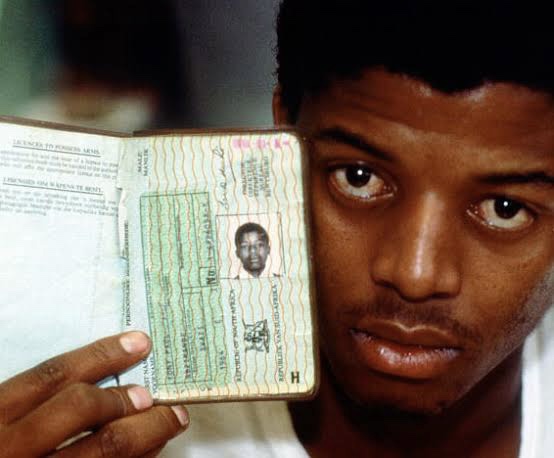
To understand the RDP’s land agenda, you have to start with the 1913 Native Land Act. That law was the legal foundation of white minority rule. It said Black South Africans could only own or rent land in 13 percent of the country. The other 87 percent was reserved for whites. Families were forcibly removed from farms, towns like District Six were bulldozed, and millions became labour tenants with no security. For 80 years that Act shaped where people could live, work, and build wealth.
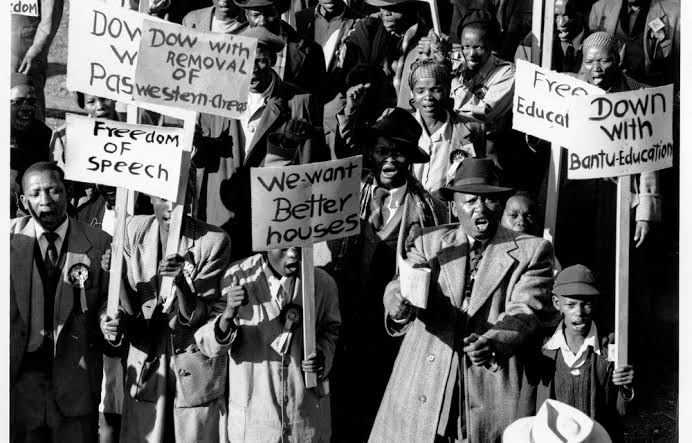
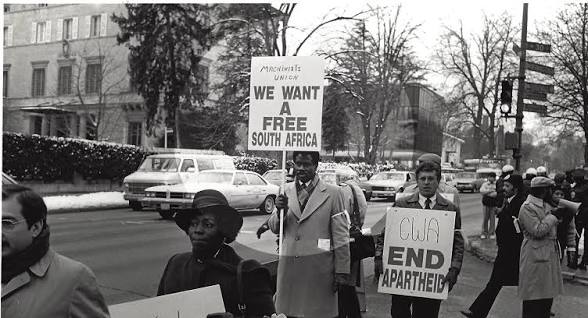
The legal revolution began in 1991, three years before Nelson Mandela took office. Under pressure from mass protests, international sanctions, and negotiations at CODESA, FW de Klerk’s government passed the Abolition of Racially Based Land Measures Act. That Act finally repealed the 1913 Land Act and its later versions. On paper, apartheid’s land laws were dead. But repealing a law does not return stolen farms or rebuild destroyed communities. The ANC knew that. So while politicians were still negotiating the constitution, the movement was already drafting what would come next.

That “what’s next” became the RDP, released by the ANC in early 1994 as its election manifesto. It was not written by politicians alone. Trade unions, church groups, civics, and rural organizations all contributed. The message was simple: political freedom meant little without material change. The RDP listed five priorities — housing, water, electricity, jobs, and land. On land, it promised to reverse what the 1913 Act had done. The goal was to guarantee both residential and productive land for people who had been denied it, whether they lived in rural areas, urban townships, or on white-owned farms as labour tenants.
After 1994, the RDP’s land promise turned into three programs written into the new Constitution. First came land restitution. If your family had lost land because of racial laws after June 19, 1913, you could lodge a claim. The Land Claims Court was set up to hear cases. Some communities got their land back, like the Makuleke people in Limpopo. Others accepted financial compensation when return was impossible.
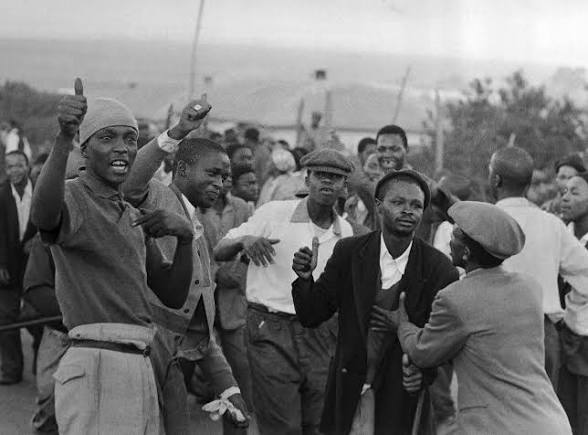
Second was land redistribution. The state would buy farms from willing white sellers and transfer them to poor Black families, farm workers, and labour tenants who wanted to farm for themselves. Labour tenants were a special focus. These were families who had lived and worked on the same white farm for generations but owned nothing and could be evicted at the farmer’s whim. The RDP said they deserved land for their own homes and crops, not just a place to sleep after work. The target was ambitious: 30 percent of commercial farmland redistributed by 2014.
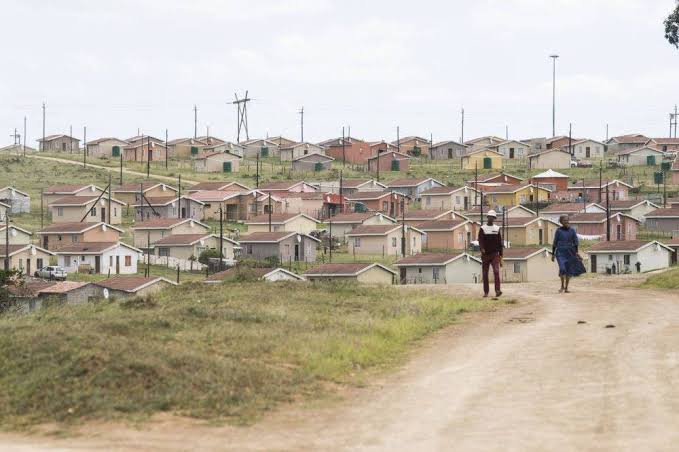
Third was tenure reform. Millions of people lived on farms or in informal settlements with no legal rights. The Extension of Security of Tenure Act, passed in 1997, came directly from the RDP. It stopped farmers from evicting labour tenants without a court order and gave basic housing rights to people living on commercial farms. In cities, the RDP’s housing program built millions of RDP houses, even though the quality and location were later criticized.
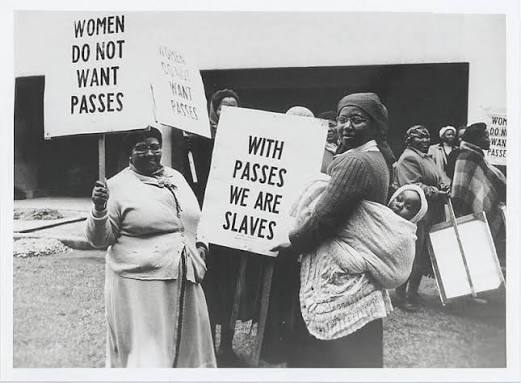
So did the revolution succeed? The RDP delivered water taps, electricity connections, and houses to millions within its first five years. On land, progress was slower and more painful. By 2014, less than 10 percent of farmland had been redistributed instead of the promised 30 percent. Restitution settled many claims, but often with cash rather than land. Tenure laws protected labour tenants, yet farm evictions and conflicts continued. The 1913 Act was abolished in law in 1991, but undoing its economic legacy has taken decades and is still unfinished.
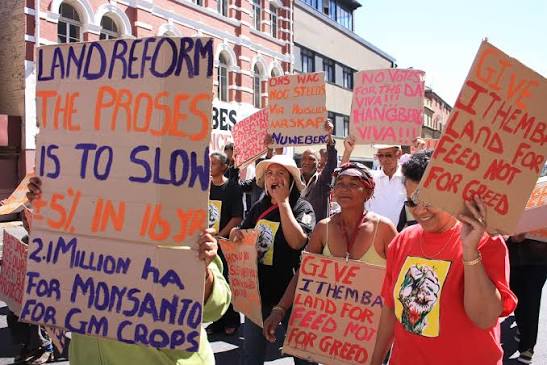
The RDP was the ANC’s answer to that demand. It tried to turn the abolition of the Land Act into real land for rural and urban poor, for labour tenants, for families who had only known dispossession. The inauguration in 1994 was the ceremony. The work of reconstruction had already begun.
AFRICAN VOICES INTERNATIONAL, FREEDOM IN AFRICA