






By: Isaac Kwabena Boadu Date: 6th June, 2026
The economic architecture of apartheid in South Africa constituted a systematic mechanism for the preservation of racial inequality through fiscal and labour policy. This policy kept Africans wounded whilst the Afrikaners squandered the South African Rand for their parochial desires.
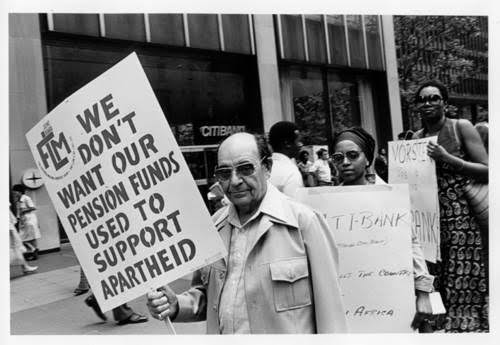
The apartheid economy was predicated upon the exploitation of inexpensive Black labour across the mining, agricultural, industrial, and domestic sectors. Through statutory measures such as job reservation and the migrant labour system, Black South Africans were precluded from skilled occupations and management positions. In addition, legislative prohibitions prevented Black workers from participating in trade unions that afforded collective bargaining rights to white employees. Consequently, remuneration was determined by racial classification rather than occupational competence. By the 1970s, disparities were pronounced, with white miners frequently earning ten to twelve times the wages of Black miners performing identical tasks. In rural areas, labour tenants received minimal cash remuneration supplemented by basic accommodation, a compensation structure insufficient to facilitate economic mobility. The objective of this wage regime was to ensure a perpetual supply of economically vulnerable labour compelled to remain in subordinate employment.
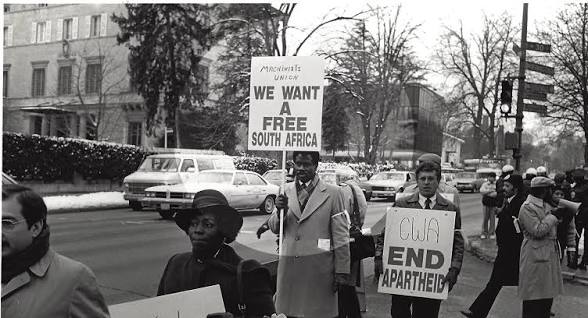
State-administered pension schemes, including the Government Service Pension Fund, primarily benefited white civil servants, while Black workers were systematically excluded from formal retirement provisions for several decades. During the 1970s and 1980s, as international sanctions imposed fiscal constraints, the National Party government began to utilise state pension funds and the Post Office Savings Bank as sources of liquidity. Legislative and administrative directives compelled these institutions to purchase government bonds, thereby channelling retirement savings into expenditure on defence, security policing, and the administration of nominally independent homelands. Funds designated for future retirement obligations were thus redirected to finance immediate state operations. Following the democratic transition in 1994, the 1996 Mouton Commission documented extensive underfunding and mismanagement, revealing that substantial sums borrowed from pension funds during the apartheid era had not been adequately reimbursed. This misappropriation contributed significantly to the fiscal challenges confronting public sector pensions in the post-apartheid period.
The diversion of financial resources extended beyond pension funds. Revenue collected from Black townships was disproportionately allocated to the development of white residential areas. The Bantu Education system was deliberately under-resourced to limit educational attainment among Black learners. Similarly, nominally self-governing homelands received substantial state subsidies to maintain the façade of political autonomy. Thus, fiscal policy at every level was subordinated to the objective of maintaining white political and economic dominance.

In summation, the apartheid state did not refrain from compensating Black labour, but rather institutionalised a wage system designed to guarantee subsistence while precluding wealth accumulation. Concurrently, the government appropriated retirement savings and public revenue to underwrite its own endurance. The campaigns for equitable remuneration and secure pensions during the 1980s and early 1990s must therefore be understood not merely as labour disputes, but as fundamental challenges to the financial foundations of apartheid.
AFRICAN VOICES INTERNATIONAL, FREEDOM IN AFRICA