





By: Isaac Kwabena Boadu Date: 15th May, 2026
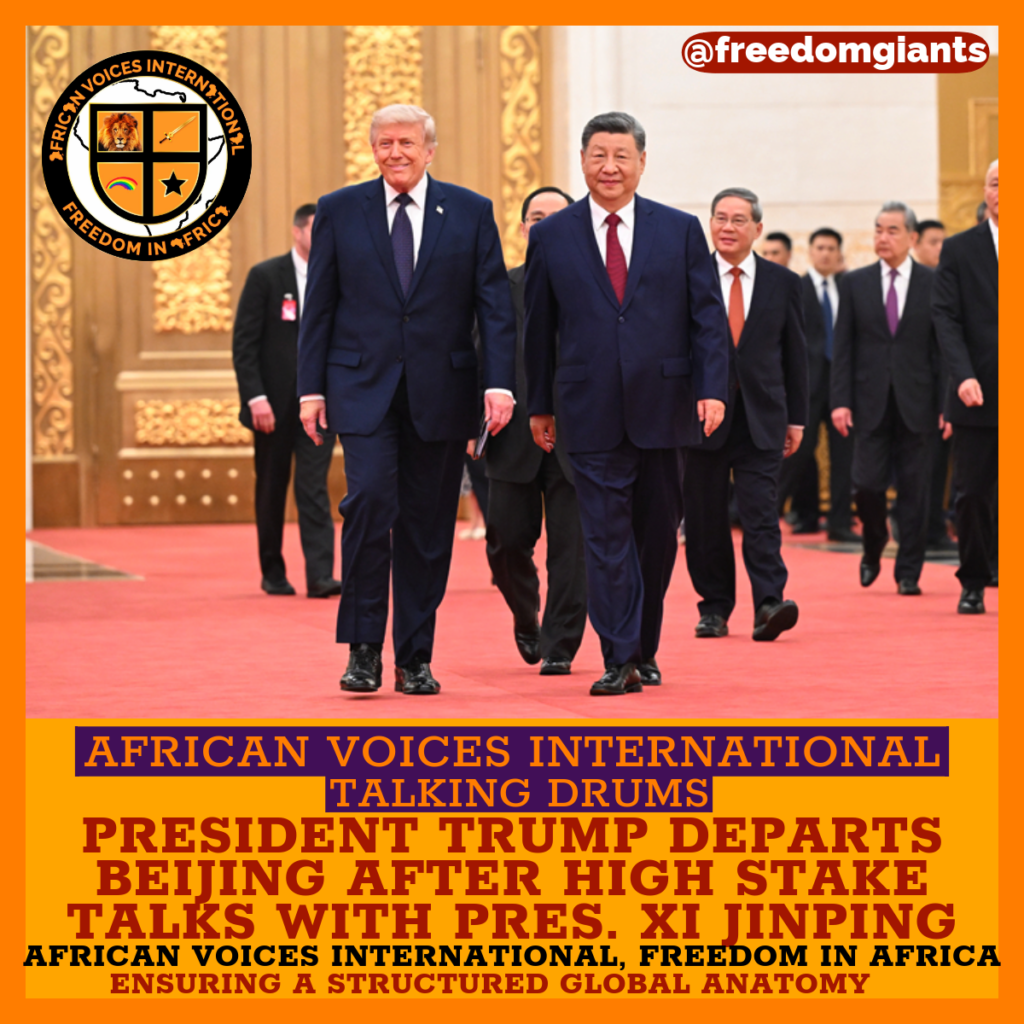
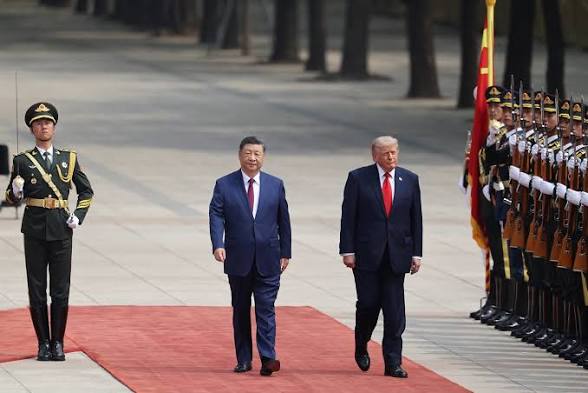
U.S. President Donald Trump left Beijing on Friday May 15th, capping a two-day diplomatic marathon with Chinese President Xi Jinping that spanned flashpoints from Iran and Taiwan to trade, energy, and aviation.
President Xi stated that the two powers had agreed to pursue “strategic stability” as the guiding framework for the next three years. Pres. Trump, speaking to Fox News, unveiled a slate of commercial commitments: China would expand purchases of U.S. crude and acquire 200 Boeing aircraft. The announcements signaled a pivot toward economic leverage as the main currency of U.S.-China engagement.
Pres. Trump moved to keep momentum alive by publicly inviting Xi to the White House on September 24, 2026, during Thursday evening’s state dinner. Beijing has not confirmed the visit, though state media noted the invitation to continue dialogue in Washington.
Diplomatic calendars are already aligning for follow-up encounters. The two leaders could reconvene at the APEC summit in Shenzhen in November 2026 and again at the G20 in Florida in December 2026. “Our focus now shifts to Xi’s anticipated September 24 visit to the U.S.,” said Hai Zhao, director of international political studies at the Chinese Academy of Social Sciences, underscoring how the next three months will determine whether this week’s optics crystallize into durable agreements.
AFRICAN VOICES INTERNATIONAL, FREEDOM IN AFRICA