



By: Isaac Kwabena Boadu Date: 15th May, 2026
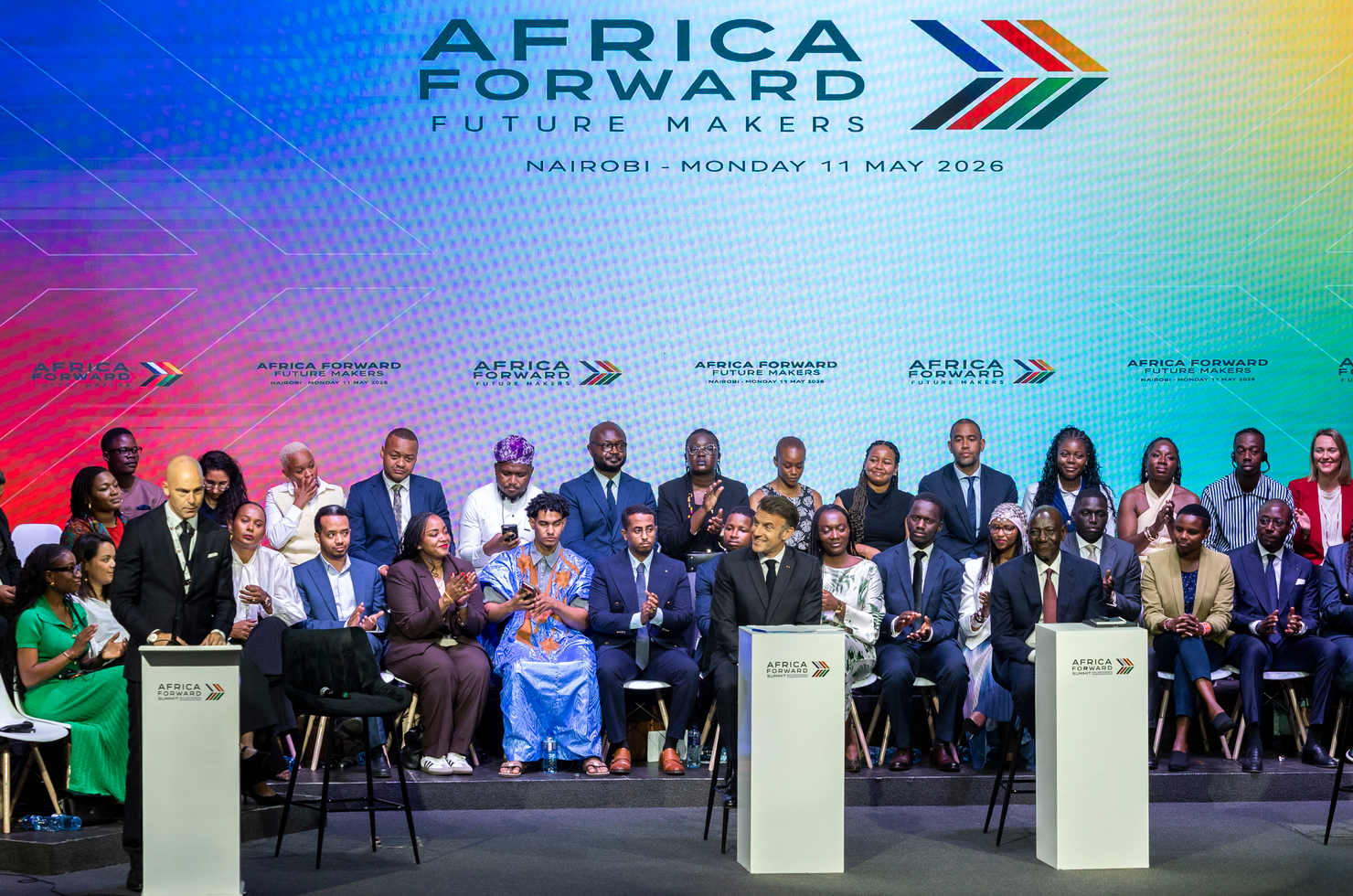
The first Africa Forward Summit wrapped up in Nairobi this week, bringing together African heads of state, French President Emmanuel Macron, and over 2,500 civil society actors, investors, and youth leaders. Co-chaired by Kenyan President William Ruto and French President Macron, the two-day meeting centered on restructuring global financial systems that participants described as structurally biased against African economies. Leaders argued that unequal borrowing costs and limited access to concessional finance undermine not only economic growth but also the realization of economic and social rights for millions across the continent.
Human rights concerns featured prominently in the discussions. UN Secretary-General António Guterres stressed that existing multilateral institutions fail to adequately finance Africa’s development goals, leaving states without the fiscal space to invest in healthcare, education, and social protection. He called for reforms that would grant African nations fairer access to credit, stronger debt management mechanisms, and greater representation in global financial decision-making. President Ruto reinforced this, stating that true partnership must rest on sovereign equality and mutual respect, not on conditions that deepen dependency.
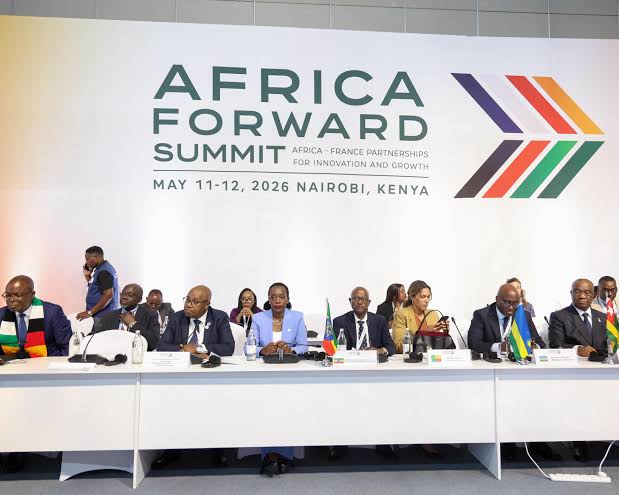
The summit also produced concrete financial commitments. President Macron announced €23 billion in planned investments across energy, agriculture, artificial intelligence, and infrastructure, with €14 billion expected from French firms and €9 billion from African entities. On the sidelines, Kenya and France signed 11 agreements covering transport, health, climate, and technology. African leaders framed these deals as opportunities to expand decent work, protect environmental rights, and strengthen public services, while warning that accountability and transparency must guide implementation to prevent rights abuses.
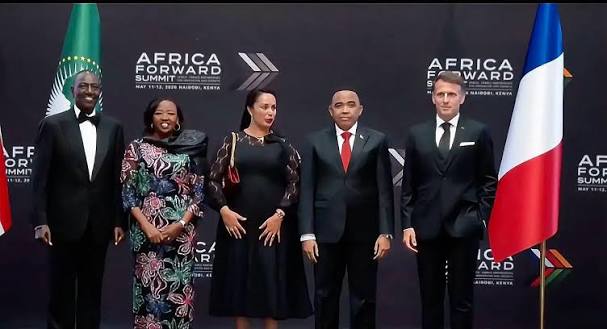
In the final Nairobi Declaration, participants committed to shifting from aid dependency toward partnerships built on shared responsibility and dignity. Nigeria’s President Bola Tinubu urged deeper regional integration and offered Nigeria’s maritime intelligence infrastructure to improve security in the Gulf of Guinea, linking stability to the protection of coastal communities’ livelihoods. The declaration will feed into upcoming G7 discussions, with advocates hoping it translates into measurable progress on both economic justice and human rights across Africa.
AFRICAN VOICES INTERNATIONAL, FREEDOM IN AFRICA
Follow our WhatsApp Channel for more updates: https://whatsapp.com/channel/0029VaDc9jg59PwJmHy1Du2t