By: Isaac Kwabena Boadu Date: 29th April, 2026
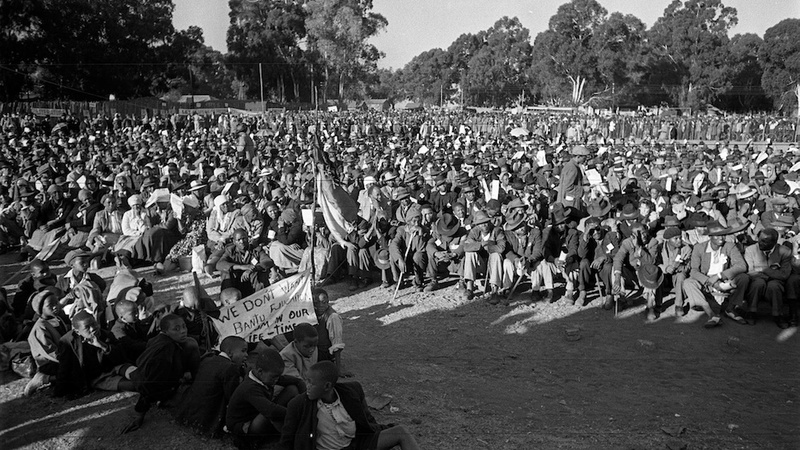
In a relentless act of defiance against apartheid, an estimated 3,000 delegates from across South Africa convened at Kliptown in 1955 for the Congress of the People, a multiracial assembly that produced the Freedom Charter, a 10-point blueprint for a democratic, non-racial nation.
Organized by the Congress Alliance, the African National Congress (ANC), South African Indian Congress, Coloured People’s Congress, Congress of Democrats, and South African Congress of Trade Unions, the Congress which took place from 25th to 26th June 1955, took months of nationwide campaigning. Organizers collected thousands of “freedom demands” from townships, farms, factories, and churches as apartheid laws intensified in the 1950s.
“The people themselves must decide the kind of South Africa they want,” Alliance leaders stated. Delegates — black, white, Indian, and coloured — debated and adopted the Charter clause by clause.
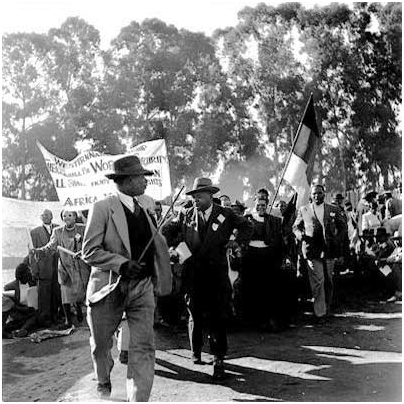
The Freedom Charter Demands:
1. The People Shall Govern — universal suffrage for all.
2. All National Groups Shall Have Equal Rights — end to racial discrimination.
3. The People Shall Share in the Country’s Wealth — mines, banks, and monopoly industry to be transferred to the people; land re-divided among those who work it.
4. The Land Shall Be Shared Among Those Who Work It — end to forced removals.
5. Equality Before the Law— courts not based on race.
6. Equal Human Rights — freedom of speech, movement, assembly.
7. Work and Security — 40-hour week, minimum wage, unemployment benefits.
8. Doors of Learning and Culture Shall Be Opened — free, compulsory education; end to Bantu Education.
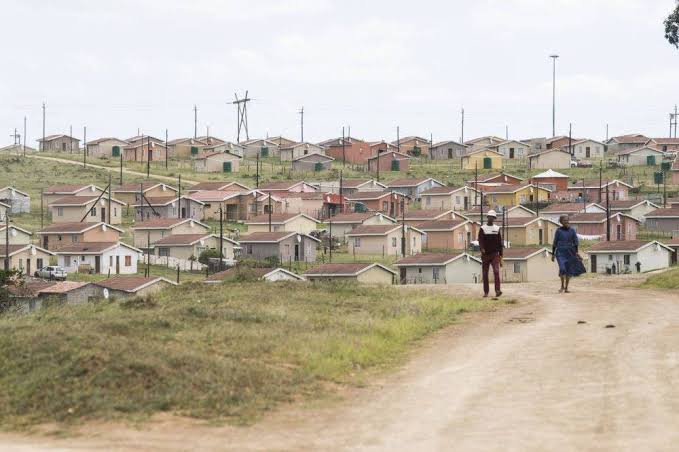
9. Houses, Security and Comfort — slums abolished, decent housing for all.
10. Peace and Friendship — South Africa to respect rights of all nations.
ANC leader Nelson Mandela hailed the Charter as the “lodestar” of the struggle, saying it proved South Africa belongs to all who live in it; a direct rejection of apartheid’s “whites-only” vision.
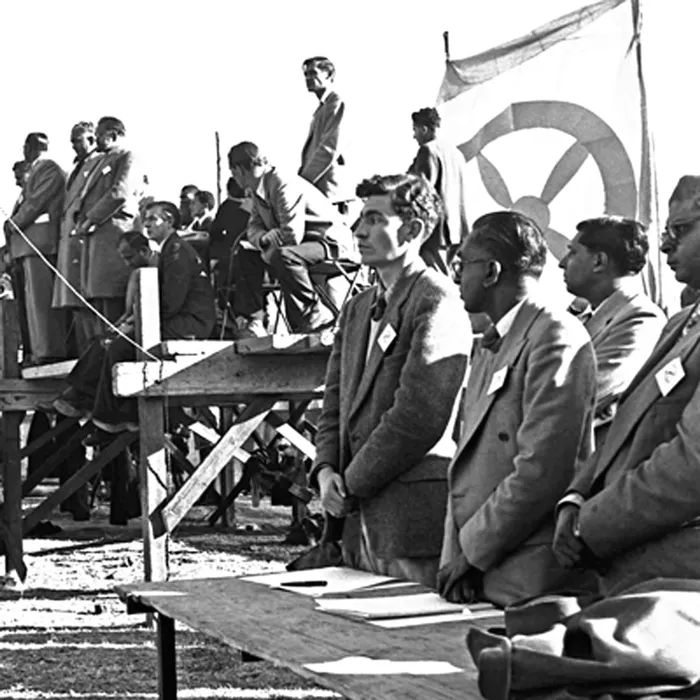
The gathering proceeded under heavy police watch. On the second day, armed officers surrounded the venue, recorded names, and dispersed delegates. Authorities branded the Charter “communist” and banned it.
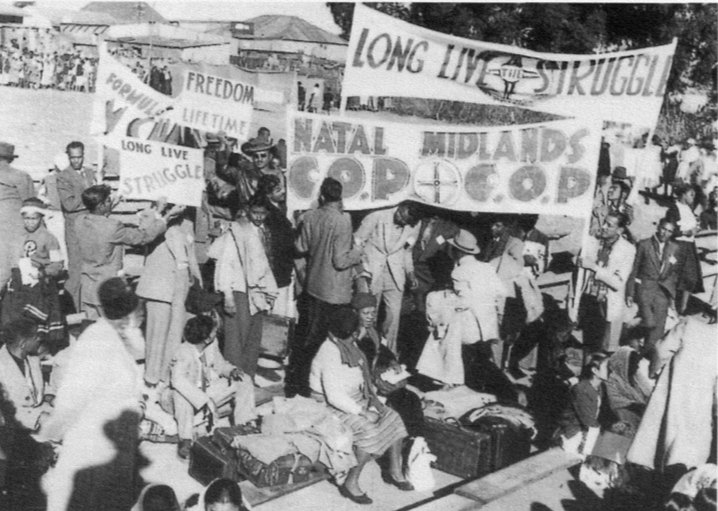
The aftermath was swift. In December 1956, police launched nationwide raids, arresting 156 leaders on charges of high treason for their role in the Congress. Nelson Mandela was among those arrested. Though banned from attending Kliptown under government restriction orders, Mandela helped plan the Congress and draft the Charter. He and others faced the Treason Trial.
Follow our WhatsApp Channel for more updates: https://whatsapp.com/channel/0029VaDc9jg59PwJmHy1Du2t
AFRICAN VOICES INTERNATIONAL, FREEDOM IN AFRICA