
By: Isaac Kwabena Boadu Date: 17th May, 2026
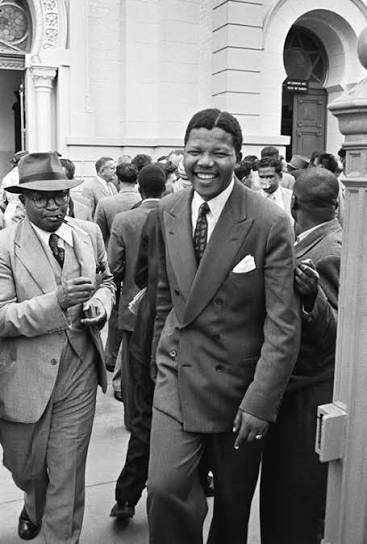
The 1956–1961 Treason Trial, which saw Nelson Mandela and 155 other anti-apartheid activists charged with high treason, ended in March 1961 with a blanket acquittal after years of legal proceedings.
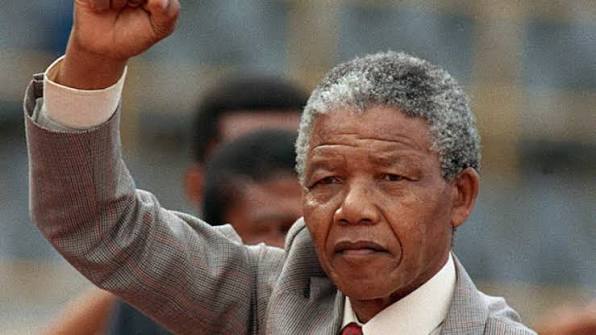
The mass arrest on 5 December 1956 targeted leaders from the African National Congress, Congress of Democrats, and trade unions. Prosecutors alleged they had plotted to overthrow the government, but the defense maintained their campaign focused on non-violent resistance and the Freedom Charter’s call for equality.
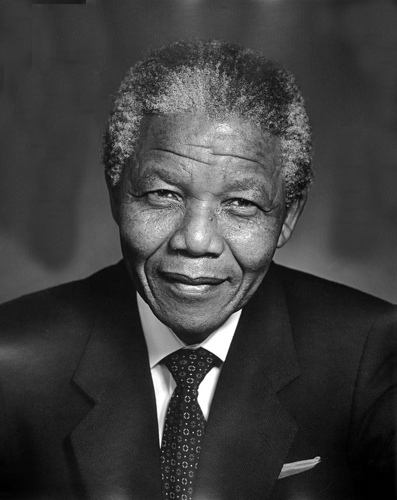
Detention and treatment of defendants
Many of those detained spent extended periods under the apartheid government’s 90-day detention law before charges were finalized. Rights groups and defendants later reported mistreatment during this period, including claims of assault, electric shock, and suffocation using plastic bags while held incommunicado. The state denied systematic abuse, but the allegations drew criticism from domestic and international observers.
Trial process and allegations of bias
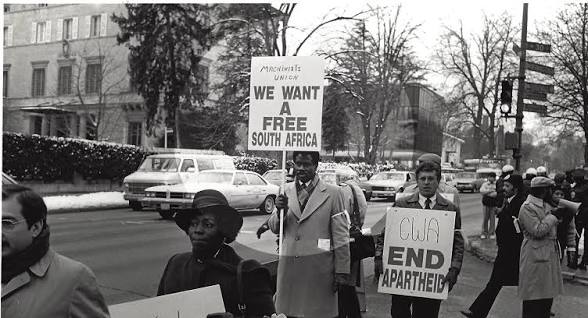
The trial was held under a legal system dominated by white officials and judges appointed by the apartheid government. Defense lawyers argued that the prosecution relied on broad interpretations of treason to criminalize political opposition. Critics at the time contended that the process reflected the imbalance of a judiciary and jury pool drawn almost exclusively from the white minority, which limited impartial scrutiny of the state’s case.
After more than four years, the court ruled that the state had not proven a conspiracy to use violence, and all defendants were found not guilty.
The outcome was seen as a setback for the government’s attempt to dismantle the ANC’s leadership through the courts. Several of those acquitted, including Mandela, were later charged again in the 1964 Rivonia Trial, which resulted in life sentences.
AFRICAN VOICES INTERNATIONAL, FREEDOM IN AFRICA