


By: Isaac Kwabena Boadu Date: 4th May, 2026
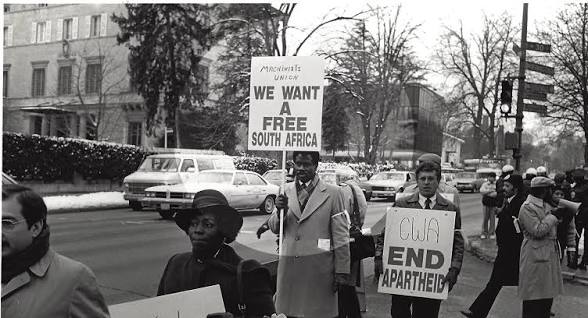
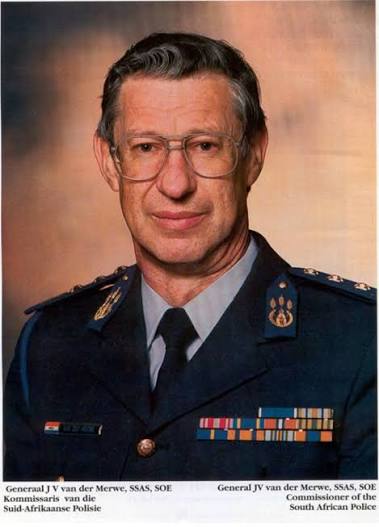
South Africa saw a significant transition after Johan Merwe’s tenure which has reflected in the sustained democratic frontier, the country enjoys today, despite the challenges. Today we look at Johan Van der Merwe’s tenure where he served as Commissioner of the South African Police from 1990 to 1995, the final years of apartheid and the first year of democracy. A career police officer, he rose through the Security Branch and later commanded the force during South Africa’s negotiated transition. In 1996 he applied to the Truth and Reconciliation Commission for amnesty, disclosing that he had authorized operations resulting in 21 deaths during the apartheid era, stating he acted “in the interest of the state.” His tenure coincided with some of the most violent periods of the transition, including ongoing conflict between security forces and anti-apartheid groups.
The period of his leadership saw sharp tension between negotiation and violence. While Nelson Mandela and F.W. de Klerk held talks from 1990 to 1993, SAP units were implicated in “Third Force” activity that targeted ANC supporters in townships like Boipatong, Sebokeng, and Thokoza. After the 1992 Boipatong Massacre left 45 people dead, Nelson Mandela suspended negotiations, saying the government did not control its security forces. The 1993 assassination of ANC leader Chris Hani deepened the crisis and underscored the gap between political talks and conditions on the ground.
South Africa’s transition was ultimately settled at the ballot box. In April 1994, voters elected Nelson Mandela president with 62% of the vote. De Klerk became Deputy President in a Government of National Unity. To maintain stability, Nelson Mandela retained Van der Merwe as Police Commissioner for 12 months. Van der Merwe resigned in 1995 and was replaced by George Fivaz, who was tasked with reforming the SAP into the new South African Police Service.
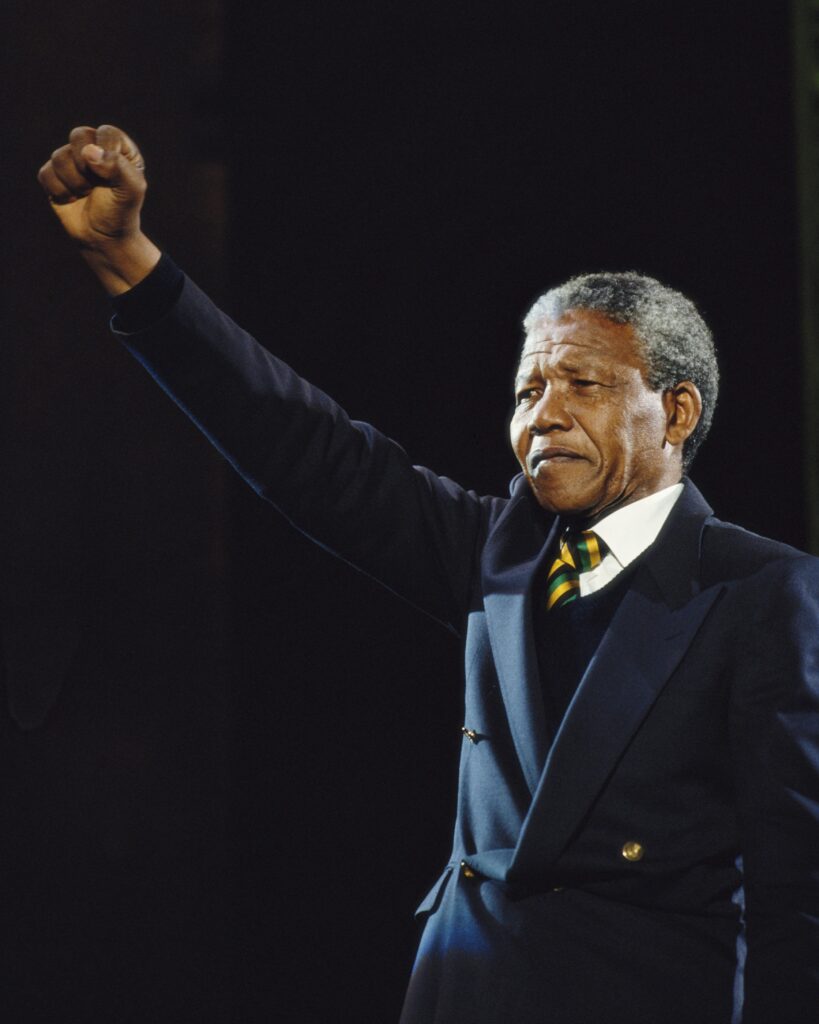
Nelson Mandela’s policy of “reconciliation without amnesia” shaped what followed. The TRC process granted amnesty in exchange for full disclosure, but political power changed through elections. Van der Merwe received amnesty for some acts and was denied for others. His testimony became part of the public record of apartheid-era policing. South Africa’s move to democracy was defined by that broader shift from the old security system to a constitutional order chosen by voters.
AFRICAN VOICES INTERNATIONAL, FREEDOM IN AFRICA
Follow our WhatsApp Channel for more updates on: https://whatsapp.com/channel/0029VaDc9jg59PwJmHy1Du2t