





By: Isaac Kwabena Boadu Date: April 15th, 2026
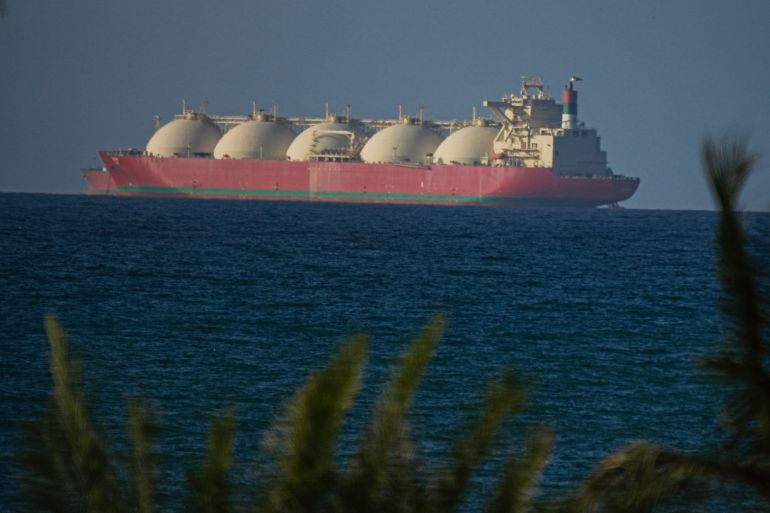
On Monday, the United States Navy instituted a comprehensive maritime interdiction covering all vessels transiting to or from Iranian harbors, while reaffirming its commitment to safeguard passage through the Strait of Hormuz for what it termed “neutral” commercial traffic. President Donald Trump declared that any Iranian fast-attack watercraft advancing toward the cordon would be “promptly neutralized,” drawing a parallel to existing U.S. rules of engagement employed against suspected narcotics-trafficking vessels.
Within hours, Iran’s Joint Military Command issued a countermeasure, announcing that it would proscribe navigation across the Persian Gulf, the Sea of Oman, and the Red Sea should the American embargo persist. Officials in Tehran characterized Washington’s action as a breach of the prevailing ceasefire and pledged to deploy naval mines, anti-ship missiles, and fast-attack craft to enforce their own prohibition.
Notwithstanding assertions of operational success by U.S. authorities, multiple sanctioned “shadow tankers” have traversed the strait since the embargo commenced, as Iran seeks to sustain crude-oil exports and associated fiscal inflows. Following the Pentagon’s announcement that seaborne commerce to and from Iran had been curtailed, benchmark crude benchmarks rebounded to approximately $96 per barrel.
AFRICAN VOICES INTERNATIONAL, FREEDOM IN AFRICA