

By: Isaac Kwabena Boadu Date: 24th April, 2026
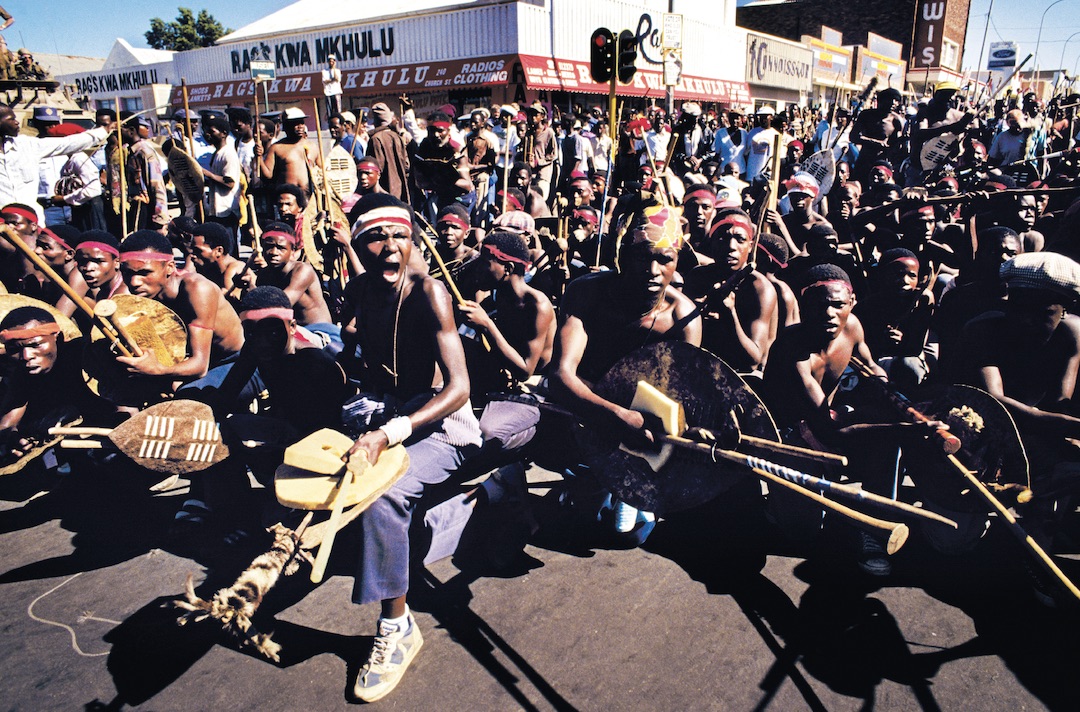
On 28th March 1994, less than a month before South Africa’s first democratic elections, the African National Congress headquarters became the epicentre of a crisis that threatened the Government of National Unity. Approximately 20,000 Inkatha Freedom Party supporters marched on Shell House in central Johannesburg to protest the 27th April poll, which IFP leader Chief Mangosuthu Buthelezi had rejected in pursuit of constitutional recognition for a Zulu kingdom. As the demonstration reached the building, ANC security personnel inside opened fire from the headquarters. Nineteen people were killed, most of them IFP supporters, and thirty-one others were wounded. The ANC maintained that its guards had acted in self-defence against an armed attempt to storm the building, while the IFP denounced the incident as a premeditated massacre of unarmed protesters.
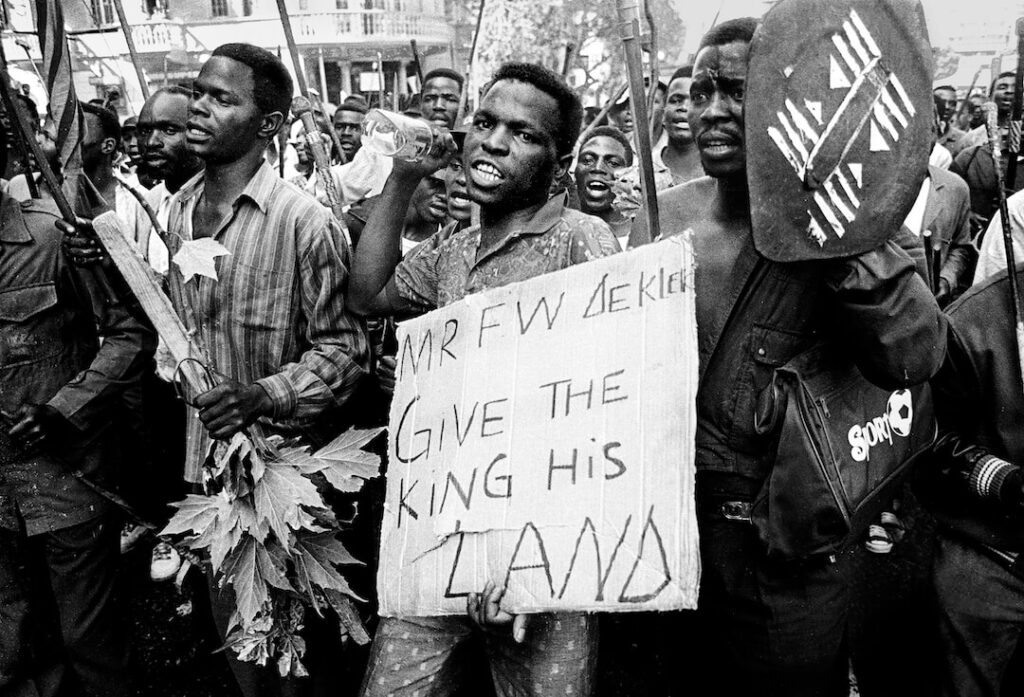
The killings immediately embroiled Deputy President FW de Klerk and the National Party, the former apartheid ruling party then governing in partnership with the ANC. Mr. De Klerk publicly alleged that the ANC had staged a “planned ambush” and demanded that Nelson Mandela dismiss his security chiefs and surrender the implicated guards for prosecution. The National Party invoked the incident to argue that the ANC could not be trusted with command of the state’s security forces, a position that intensified fears among white voters that majority rule would precipitate retribution. Mr. Mandela rejected the demands outright, stating that the guards had defended the headquarters and that he would not deliver his cadres to political opponents for vengeance.
The confrontation triggered the first major rupture within the Government of National Unity and jeopardised the fragile constitutional arrangements negotiated to end apartheid. With the election date approaching, the standoff raised the prospect of a collapse in the transitional process and a descent into wider civil conflict. The crisis underscored the fundamental distrust between former adversaries who were nonetheless compelled to share power during the interregnum.
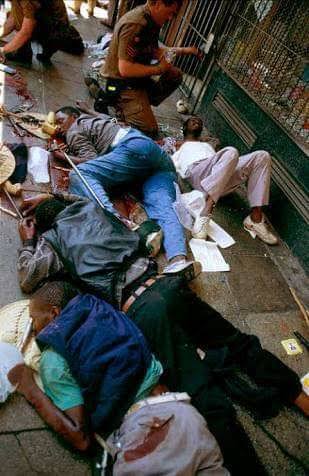
Years later, the Truth and Reconciliation Commission concluded that ANC security had fired without warning and that the use of lethal force was not justifiable, holding the ANC politically accountable for the deaths. The Commission also found that some IFP marchers were armed and noted that thirteen people had died in related political violence elsewhere in Johannesburg earlier that day. No criminal prosecutions followed for either side. The Shell House massacre therefore remains a defining episode of South Africa’s transition, revealing the extent to which the imperatives of political stability and national reconciliation were ultimately deemed to outweigh the demands of retributive justice.
AFRICAN VOICES INTERNATIONAL, FREEDOM IN AFRICA
Follow our WhatsApp Channel for more updates on: https://whatsapp.com/channel/0029VaDc9jg59PwJmHy1Du2t