
By: Isaac Kwabena Boadu Date: 24th April, 2026
When Nelson Mandela took office on 10 May 1994, South Africa did not only get its first Black president. It also got its first Government of National Unity, a multi-party cabinet born from negotiation rather than revolution.
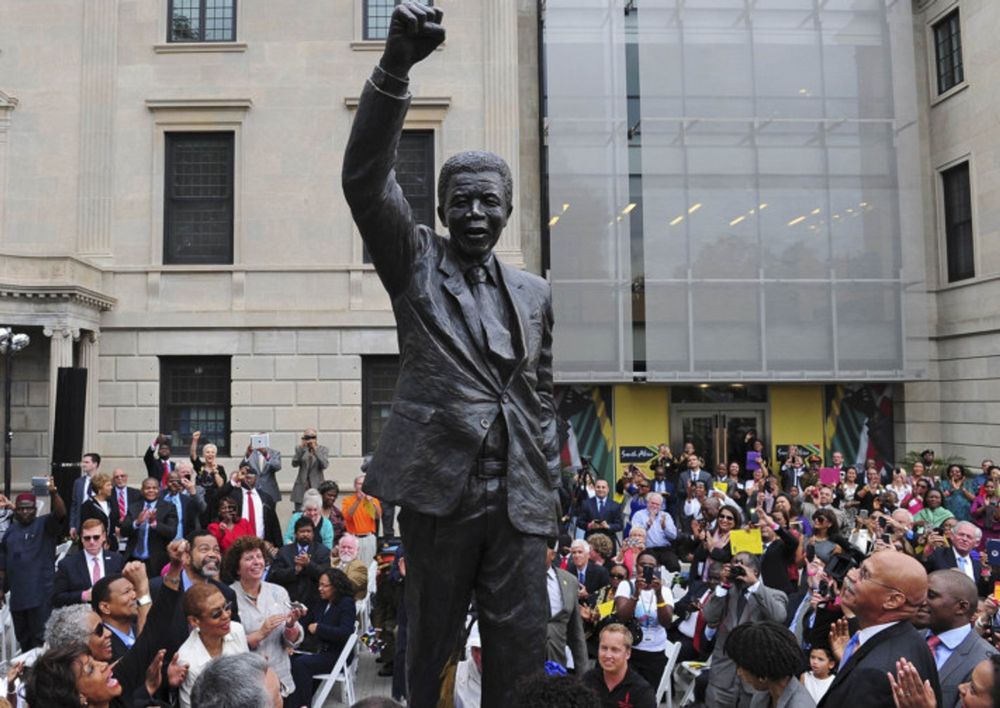
The rules that produced it were forged at CODESA, the Convention for a Democratic South Africa. From 1991 to 1993, ANC negotiator Cyril Ramaphosa and National Party minister Roelf Meyer drafted an interim constitution. The key compromise was that for five years after 1994, any party with more than five percent of the vote would receive cabinet seats in proportion to its support. That clause compelled a multi-party government and was the price of averting civil war. Ramaphosa’s CODESA team traded amnesty and power-sharing for a peaceful election.
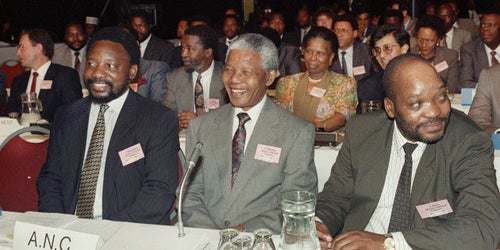
Nelson Mandela’s 1994 cabinet reflected that deal. He served as President alongside two Deputy Presidents, Thabo Mbeki of the ANC and F.W. de Klerk of the National Party. The National Party’s Pik Botha retained the Foreign Affairs portfolio while Derek Keys continued as Finance Minister. Inkatha Freedom Party leader Mangosuthu Buthelezi was appointed Minister of Home Affairs, despite years of bloody conflict between the IFP and ANC. Six of Mandela’s twenty-seven ministers were white and three came from opposition parties. The message was clear: reconciliation would be institutional, not merely symbolic.
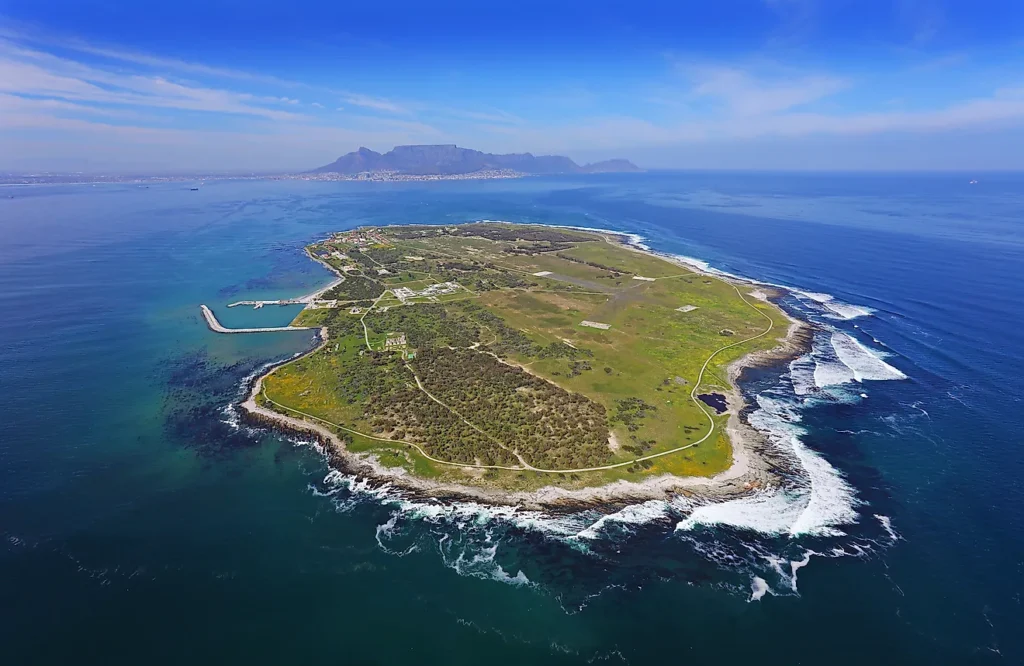
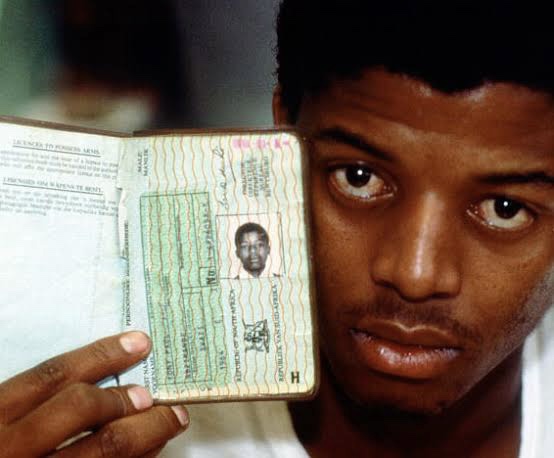
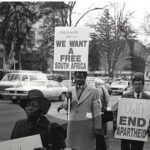
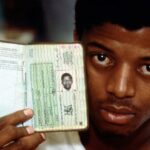
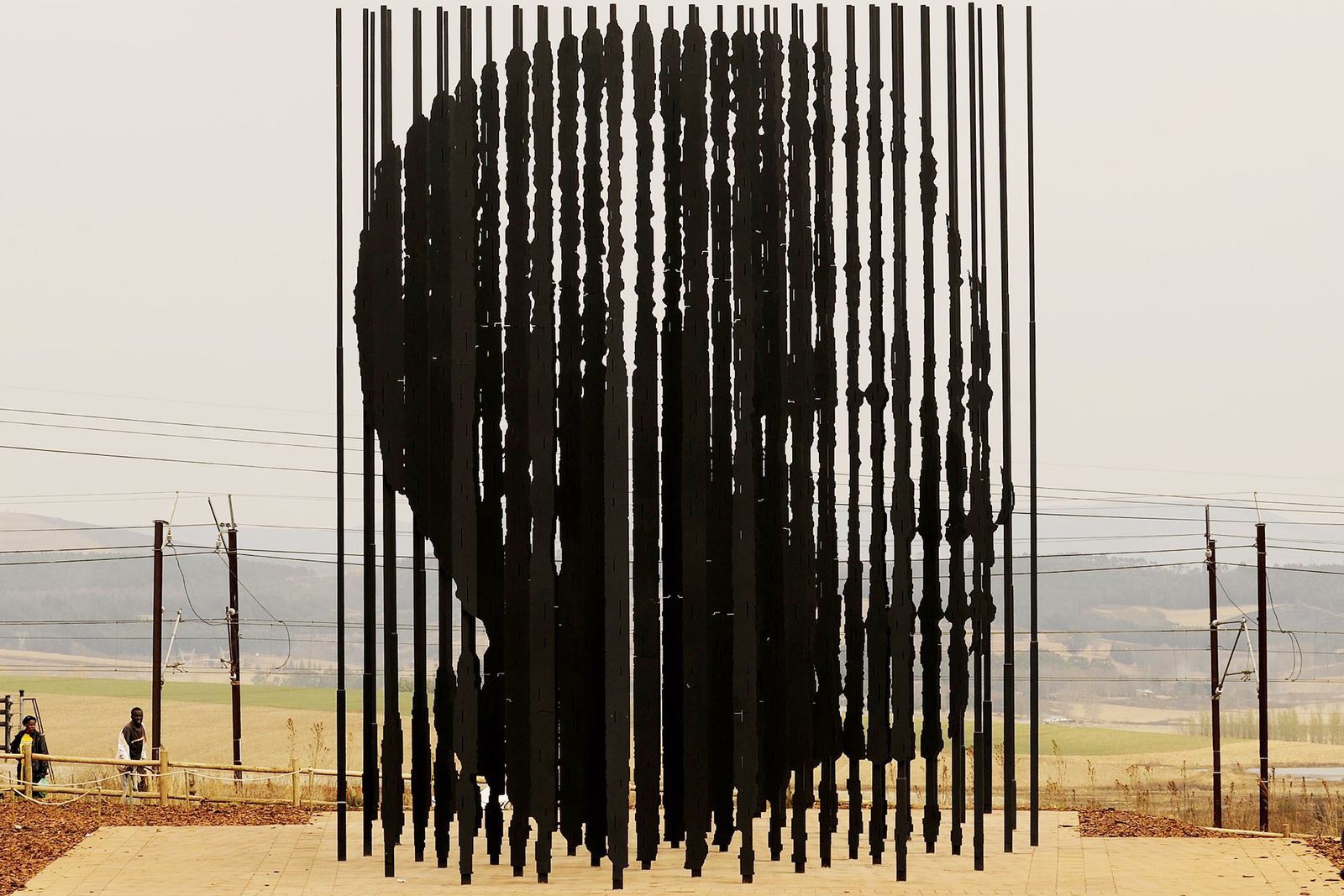
Nelson Mandela’s own path to that cabinet began with his arrest in 1962 near Howick. He was detained while driving without a passport after returning from secret trips to Ethiopia and Algeria where he had arranged military training for Umkhonto we Sizwe. The state had already sought him for leaving the country illegally and inciting strikes. His arrest led security police to Liliesleaf Farm, and the documents seized there triggered the Rivonia Trial in 1963. Mandela and nine others were charged with sabotage. His statement from the dock, “I am prepared to die,” turned the trial into a global platform against apartheid. The life sentence that followed made him the movement’s most recognized prisoner and, three decades later, its chief negotiator.
As president, Mandela resolved conflicts through direct engagement. When Afrikaner generals threatened a coup in 1994, he invited them to lunch and kept them in the new National Defence Force. When IFP supporters felt sidelined, he appointed Buthelezi to a senior ministry and visited Ulundi. When white South Africans feared retribution, he wore a Springbok jersey at the 1995 Rugby World Cup. His approach was to bring critics inside, grant them dignity, and avoid humiliation. The Truth and Reconciliation Commission extended that logic, exchanging amnesty for truth rather than pursuing punitive justice.
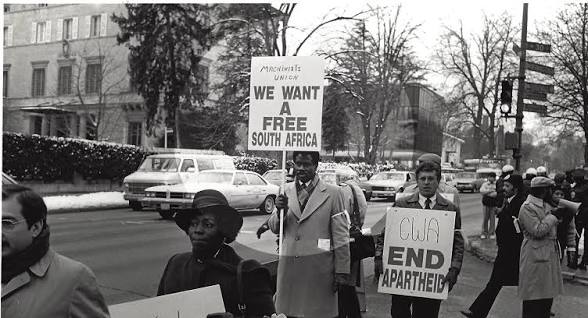
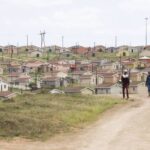
The bottom line is that Mandela’s multi-party government was a masterclass in conflict management that ended political apartheid. But the economic terms agreed at CODESA meant the new South Africa inherited the old economy. When racism erupts today, it is not a sudden shock from a clear sky. It is the storm that was always on the radar.
AFRICAN VOICES INTERNATIONAL, FREEDOM IN AFRICA
Follow our WhatsApp Channel for more updates: https://whatsapp.com/channel/0029VaDc9jg59PwJmHy1Du2t